Acne treatment in Warsaw
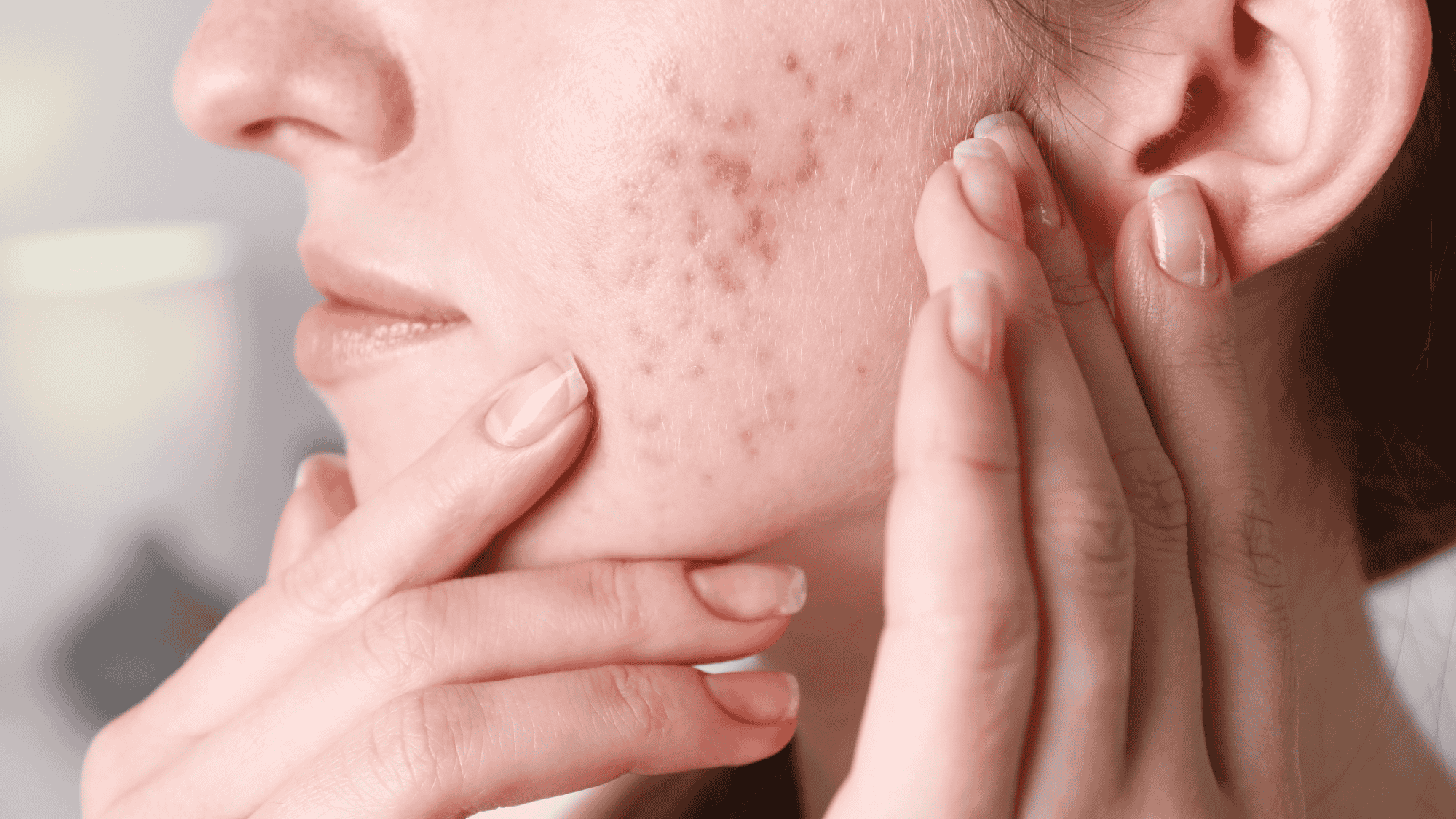
Acne is a complex inflammatory condition of the sebaceous glands that can cause spots, open comedones and closed comedones. At DAGDERM, treatment starts with a detailed dermatology assessment. The doctor evaluates the type and location of lesions on the face, back or chest and considers factors that may aggravate acne, including skincare, stress, hormonal changes and medicines. Based on this assessment, the dermatologist prepares an individual plan that may combine topical or oral treatment with suitable skincare. When appropriate, treatment may be supported by medical peels, laser therapy or microneedling, with the timing selected according to the condition of the skin.
What is acne?
Acne is often associated only with teenagers, but it can also persist or begin in adulthood. Lesions most often occur in the following areas:
- Face: the most common location of acne lesions.
- Neck: lesions may accompany facial acne and can be particularly visible around the beard and jawline.
- Back: a common location for inflammatory lesions and comedones.
- Chest: acne may also affect the upper torso.
When should you see a dermatologist and what can treatment involve?
1
Book a consultation if:
- Acne keeps returning despite appropriate skincare and products for acne-prone skin.
- Painful papules, nodules, pustules or scarring appear.
- Acne persists after the age of 25, including adult or hormonally influenced acne.
- Lesions occur on the back, chest, jawline, neck or buttocks.
- You notice post-inflammatory pigmentation, redness or acne scars.
- Acne affects mood, self-esteem or social life.
- You suspect that stress, diet, the menstrual cycle, medicines or skincare may aggravate the problem.
2
Acne treatment – available options
Topical treatment
Topical treatment is commonly used for mild and moderate acne and to maintain results after oral therapy. Depending on the patient’s needs, the dermatologist may recommend products that regulate keratinisation and unclog pores, reduce inflammation and bacterial proliferation, limit the formation of new comedones, and support the skin barrier.
Systemic treatment
For more extensive inflammation, painful nodules, lesions on the torso or a high risk of scarring, the dermatologist may consider oral treatment. Depending on the individual case, this may include anti-inflammatory or antibacterial therapy, hormonal treatment in selected patients, or retinoids such as isotretinoin for severe acne.
Some systemic treatments require medical supervision, laboratory monitoring and strict pregnancy prevention. Oral medicines should not be started without a doctor’s guidance because they can cause serious adverse effects.
Supportive in-clinic procedures
Procedures may complement medical treatment and address post-inflammatory pigmentation or scars. The method and timing depend on whether acne is active. Options may include medical peels, treatments supporting the reduction of sebum and comedones, and skin-remodelling procedures such as microneedling or fractional laser therapy, usually after active inflammation has settled.
A dermatology assessment is essential. Aggressive procedures performed during an active flare may irritate the skin and worsen the condition.
PRICES:
Dermatology consultation
PLN 199–340 (depending on the doctor)
Paediatric dermatology consultation
PLN 199–340 (depending on the doctor)
Frequently asked questions:
When should I see a dermatologist about acne?
See a dermatologist if acne keeps returning despite skincare, or if painful papules, pustules, pigmentation or scars develop. A consultation is also advisable when lesions affect the back, chest, neck or jawline as well as the face.
What does acne treatment at DAGDERM clinics in Warsaw involve?
Treatment begins with a dermatology consultation and skin assessment. The doctor evaluates the type and location of lesions, severity of inflammation, risk of scarring and possible aggravating factors, then prepares an individual treatment plan.
Does adult acne require dermatological treatment?
Adult acne often benefits from a dermatology consultation, especially when it persists after the age of 25, affects the jawline or follows a cyclical pattern. The dermatologist assesses whether the condition is inflammatory, hormonally influenced, skincare-related or mixed and recommends an appropriate approach.
Which treatments are used for acne?
Treatment may include topical products, oral medicines, suitable skincare and supportive in-clinic procedures. The choice depends on the type and severity of acne, the patient’s age, the condition of the skin and whether pigmentation or scarring is present.
Are oral medicines always needed for acne?
No. The dermatologist may consider oral treatment when inflammation is more extensive, painful nodules or torso lesions are present, acne is recurrent or there is a risk of scarring. Some treatments require medical monitoring and tests and should not be started without a doctor.
Can cosmetic procedures support acne treatment?
In-clinic procedures may support acne treatment but must be selected for the current condition of the skin. Intensive procedures can irritate actively inflamed skin, so medical peels, light-based treatments, laser therapy or microneedling should be planned after a professional assessment.
Can acne scars and pigmentation be treated?
Acne scars, post-inflammatory pigmentation and persistent redness can be treated with different methods, usually after active acne has been controlled. Depending on the type of post-acne changes, the dermatologist may recommend peels, microneedling, laser procedures or other skin-remodelling treatments.
How much does an acne consultation cost in Warsaw?
A dermatology consultation at DAGDERM costs PLN 199–340 depending on the doctor. During the visit, the dermatologist assesses the skin, discusses possible causes and recommends a treatment and home skincare plan.
Do you have any questions?

Contact us
The hotline is open 7 days a week:
Mon–Fri 07:30–22:00,
Sat–Sun 07:30–20:00
Contact us by phone or online to schedule a consultation. Our team of qualified dermatologists and cosmetologists is ready to answer your questions and propose individually tailored solutions.

We comprehensively treat all skin, hair and nail diseases, diagnose and remove skin lesions, and perform aesthetic medicine treatments.
Made by Boost Agency
