
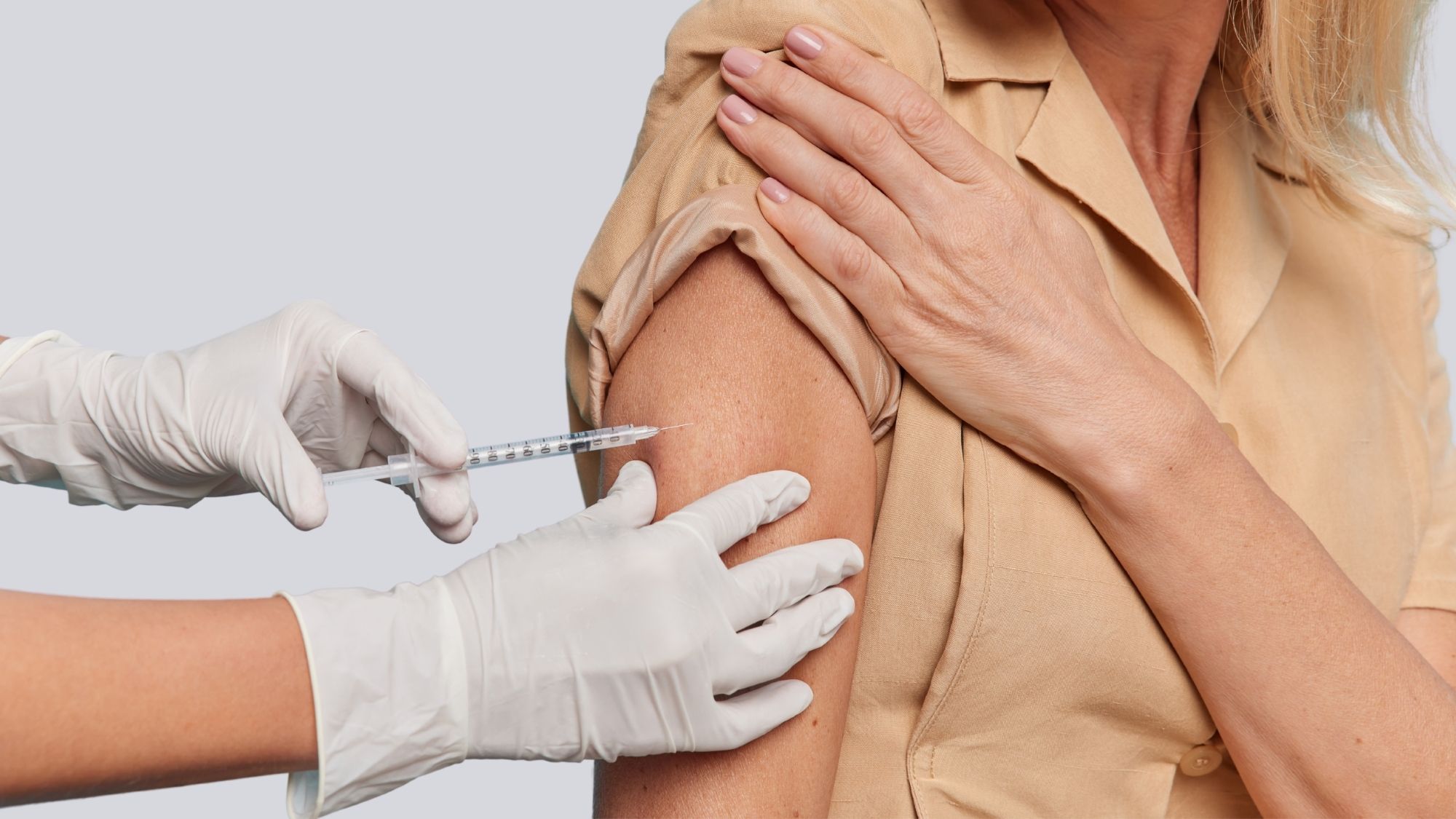
HPV vaccination
HPV vaccination is a primary way to prevent infection with human papillomavirus, which can cause genital warts, precancerous lesions and cancers of the cervix, vulva, vagina, anus, penis and throat. The vaccine is most effective before exposure to the virus, but in many cases vaccination is also appropriate later in life. At DAGDERM clinics, we provide medical assessment before vaccination and select the dose schedule according to age, vaccination history and the patient’s individual health situation.
What is HPV and why does vaccination matter?
Human papillomavirus (HPV) is one of the most common pathogens transmitted through sexual contact. Although most HPV infections clear spontaneously, persistent infection with certain virus types can lead to genital warts, precancerous lesions and malignant tumours.
HPV vaccination is a highly effective way to prevent infection with virus types that have the highest oncogenic potential. It is important to remember that the vaccine is preventive: it helps prevent new infections but does not treat an existing infection, genital warts or previously detected cervical cytology abnormalities.
Vaccination also does not replace regular cancer screening. Vaccinated people should continue recommended screening, including cervical cancer screening, in line with current medical guidance. Vaccination substantially reduces risk but does not eliminate it completely.
What do medical assessment and HPV vaccination involve?
1
Book a consultation if:
- you want to vaccinate a child or teenager before sexual debut
- you are unsure whether a previous HPV vaccination course was completed
- you are an adult and want to complete missing doses
- you are planning a new relationship or want to take informed care of your sexual health
- you have had a positive HPV test, genital warts or an abnormal cervical cytology result and want to discuss whether vaccination is appropriate
- you want protection against genital warts and HPV-related cancers
2
Choosing the vaccination schedule:
Before vaccination, the doctor reviews your age and previous doses, current health, any severe allergic reactions after vaccinations, pregnancy or plans for pregnancy, chronic illnesses and treatments that affect immunity.
The schedule mainly depends on the age at which vaccination begins:
- Most people who start vaccination before the age of 15 receive 2 doses.
- People who start between the ages of 15 and 26 usually require 3 doses.
- Three doses are also recommended for people with selected immune disorders.
- Vaccination between the ages of 27 and 45 may be considered after an individual discussion with a doctor.
3
Does HPV vaccination make sense after sexual activity has begun?
Yes. In many cases, vaccination is also appropriate for sexually active people. Although most adults may already have encountered some HPV types, it is unlikely that one person has been exposed to all types included in the 9-valent vaccine.
Vaccination can therefore help protect against HPV types that the patient has not yet encountered. The vaccine is preventive: it does not treat an existing infection or lesions, but it is an important part of protection against future infections. A doctor makes the individual recommendation after reviewing the patient’s medical history.
PRICES:
Venereology consultation
199–340 PLN (depending on the doctor selected)
Frequently asked questions:
When is it worth booking an HPV vaccination consultation?
It is worth discussing HPV vaccination before sexual debut, before a new relationship, after an incomplete vaccination course or whenever you want to make an informed decision about sexual health prevention.
What does HPV vaccination protect against?
HPV vaccination helps protect against new infections with selected human papillomavirus types. HPV is associated with genital warts, precancerous lesions and some cancers of the cervix, vulva, vagina, anus, penis and throat.
Does HPV vaccination make sense after sexual activity has begun?
Yes. In many cases vaccination can still be beneficial after sexual activity has begun. A patient may have encountered one HPV type but not all types covered by the vaccine, so the decision should be discussed individually with a doctor.
Does HPV vaccination treat an existing HPV infection?
No. HPV vaccination does not treat an existing infection, genital warts or abnormalities already detected in cervical cytology. Its main purpose is to prevent new infections. If a patient has a positive HPV result or existing lesions, the doctor can discuss both diagnostic tests and further preventive care.
Can adults receive HPV vaccination?
Yes. Adults can also discuss HPV vaccination with a doctor. For patients aged 27–45, the decision usually requires an individual discussion of previous HPV exposure risk, current health and the possible preventive benefit.
Is HPV vaccination only for women?
No. HPV vaccination is relevant to both women and men. HPV can be transmitted through sexual contact and affect the health of all sexes, so prevention can be discussed with a doctor regardless of the patient’s sex.
Is cervical screening still needed after HPV vaccination?
Yes. HPV vaccination does not replace regular cervical cancer screening. Vaccinated people should continue cervical cytology or other recommended screening because vaccination greatly reduces risk but does not eliminate it completely.
What does assessment before HPV vaccination involve?
Assessment includes a review of the patient’s age, previous doses, current health, chronic conditions, medication, immune status and any allergic reactions after earlier vaccinations. The doctor can also discuss special situations such as pregnancy, plans for pregnancy or a previous positive HPV result.
How much does a consultation before HPV vaccination cost in Warsaw?
A venereology consultation at DAGDERM costs 199–340 PLN depending on the doctor selected. During the visit, the doctor assesses eligibility for HPV vaccination, discusses the dose schedule and answers questions about HPV prevention.
Do you have any questions?

Contact us
The hotline is open 7 days a week:
Mon–Fri 07:30–22:00,
Sat–Sun 07:30–20:00
Contact us by phone or online to schedule a consultation. Our team of qualified dermatologists and cosmetologists is ready to answer your questions and propose individually tailored solutions.

We comprehensively treat all skin, hair and nail diseases, diagnose and remove skin lesions, and perform aesthetic medicine treatments.
Made by Boost Agency
