Atopic dermatitis treatment in Warsaw
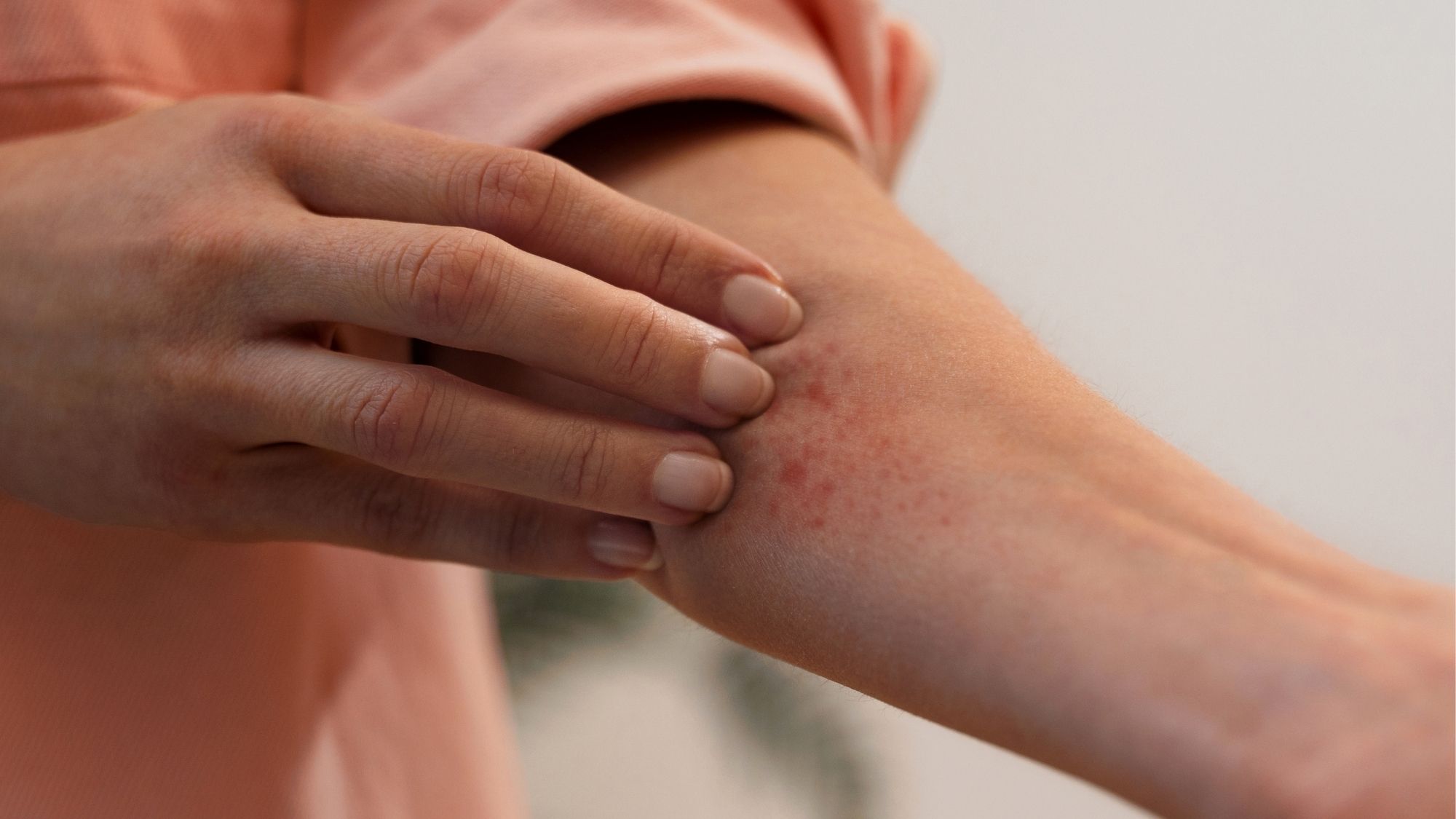
Atopic dermatitis is a chronic inflammatory skin condition that can cause persistent itching, excessive dryness and recurrent flare-ups. DAGDERM clinics provide dermatological care for both children and adults with atopic dermatitis. The dermatologist assesses the skin and medical history, identifies possible triggers and prepares an individual treatment and skincare plan. The aim is to reduce inflammation, support the skin barrier, extend periods of remission and improve everyday comfort.
What can trigger skin inflammation?
Identifying factors that trigger or worsen symptoms helps the dermatologist establish a diagnosis and choose an appropriate treatment plan, especially when the condition is chronic or recurrent. Factors that may contribute to skin inflammation include:
- Genetic predisposition: a tendency to very dry skin and atopic conditions can run in families.
- Allergens and irritants: dust, animal dander, pollen, cosmetic ingredients, detergents or metals may trigger hypersensitivity reactions in some people.
- Infections: bacterial, viral or fungal infections may worsen inflamed skin and sometimes require targeted treatment.
- Stress: prolonged stress can aggravate symptoms and weaken the skin’s protective barrier.
- Immune system disorders: some inflammatory and autoimmune conditions can affect the skin.
- Nutritional deficiencies: confirmed deficiencies of protein, essential fatty acids or selected micronutrients may adversely affect the condition of the skin.
When should you see a dermatologist and what can treatment involve?
1
When to book a dermatology consultation
- Recurrent itching that is difficult to control, especially in the evening or at night.
- Persistent dryness, roughness or tightness of the skin that does not improve with standard moisturisers.
- Inflammatory lesions such as redness, erosions, cracks, oozing or crusting.
- Changes in areas typical of atopic dermatitis: elbow and knee folds, neck, face, eyelids or hands; in children, also the cheeks and trunk.
- Skin hypersensitivity and strong reactions to cosmetics, detergents, sweat, temperature changes, stress or dry air.
- Recurrent skin infections or flare-ups caused by scratching.
- Symptoms affecting quality of life, including sleep problems, reduced concentration or difficulty with everyday activities.
2
Atopic dermatitis treatment at DAGDERM – available options
Effective treatment starts with identifying factors that worsen the condition. Depending on the symptoms and medical history, diagnostics may include:
- Laboratory tests, such as a blood count, inflammatory markers or other blood tests;
- Allergy diagnostics, including patch tests when contact allergy is suspected;
- Microbiological tests, such as swabs from skin lesions to rule out bacterial or fungal infection.
After assessment, the dermatologist prepares an individual plan that may combine several methods:
- Emollient skincare to moisturise the skin and support the epidermal barrier;
- Topical anti-inflammatory treatment, including corticosteroids or calcineurin inhibitors when indicated;
- Antihistamines in selected cases to reduce itching and support sleep;
- Phototherapy, which may be considered for more extensive inflammation when appropriate and when there are no contraindications;
- Targeted supplementation only when a relevant deficiency has been confirmed.
PRICES:
Dermatology consultation
PLN 199–340 (depending on the doctor)
Paediatric dermatology consultation
PLN 199–340 (depending on the doctor)
Frequently asked questions:
When should I see a dermatologist about atopic dermatitis?
Book a consultation if the skin remains dry, itchy, cracked or scaly, or if redness, erosions and flare-ups appear after contact with cosmetics, detergents, stress or temperature changes. A consultation is especially advisable when symptoms interfere with sleep, work, school or daily activities.
What does treatment for atopic dermatitis involve?
Treatment begins with a dermatology consultation and assessment of the skin. The dermatologist reviews the location of lesions, severity of itching and dryness, possible triggers and previous treatment, then prepares an individual treatment and skincare plan.
Can atopic dermatitis affect both adults and children?
Yes. Atopic dermatitis can affect children and adults. Symptoms may differ with age, so the dermatologist adapts the approach to the patient’s age, disease severity and skin needs.
Which symptoms may suggest atopic dermatitis?
Possible symptoms include recurrent itching, very dry skin, redness, roughness, scaling, cracking, oozing or crusting. Lesions often occur in the elbow and knee folds, on the neck, face, hands or eyelids and, in children, also on the cheeks and trunk.
Are allergy tests or other tests always needed?
Additional tests are not necessary for every patient. The dermatologist may recommend them when allergy, skin infection or another cause of flare-ups is suspected. Depending on the situation, allergy tests, blood tests or a swab from a skin lesion may be useful.
Which treatments are used for atopic dermatitis?
Treatment may include emollients, topical anti-inflammatory medicines, medicines to reduce itching, treatment of skin infections and guidance on daily skincare. In selected cases, the dermatologist may also consider other methods, including phototherapy, provided there are no contraindications.
Can atopic dermatitis be cured permanently?
Atopic dermatitis is a chronic, relapsing condition. Treatment therefore focuses on controlling symptoms, rebuilding the epidermal barrier and reducing flare-ups. Regular skincare, avoiding individual irritants and an appropriately selected treatment plan may improve everyday skin comfort.
How much does an atopic dermatitis consultation cost in Warsaw?
The price of a dermatology consultation at DAGDERM depends on the doctor and ranges from PLN 199 to 340. During the visit, the dermatologist assesses the skin, possible causes of flare-ups and selects treatment and skincare recommendations for the individual patient.
Do you have any questions?

Contact us
The hotline is open 7 days a week:
Mon–Fri 07:30–22:00,
Sat–Sun 07:30–20:00
Contact us by phone or online to schedule a consultation. Our team of qualified dermatologists and cosmetologists is ready to answer your questions and propose individually tailored solutions.

We comprehensively treat all skin, hair and nail diseases, diagnose and remove skin lesions, and perform aesthetic medicine treatments.
Made by Boost Agency
