
STI testing in Warsaw – blood tests and urogenital panels
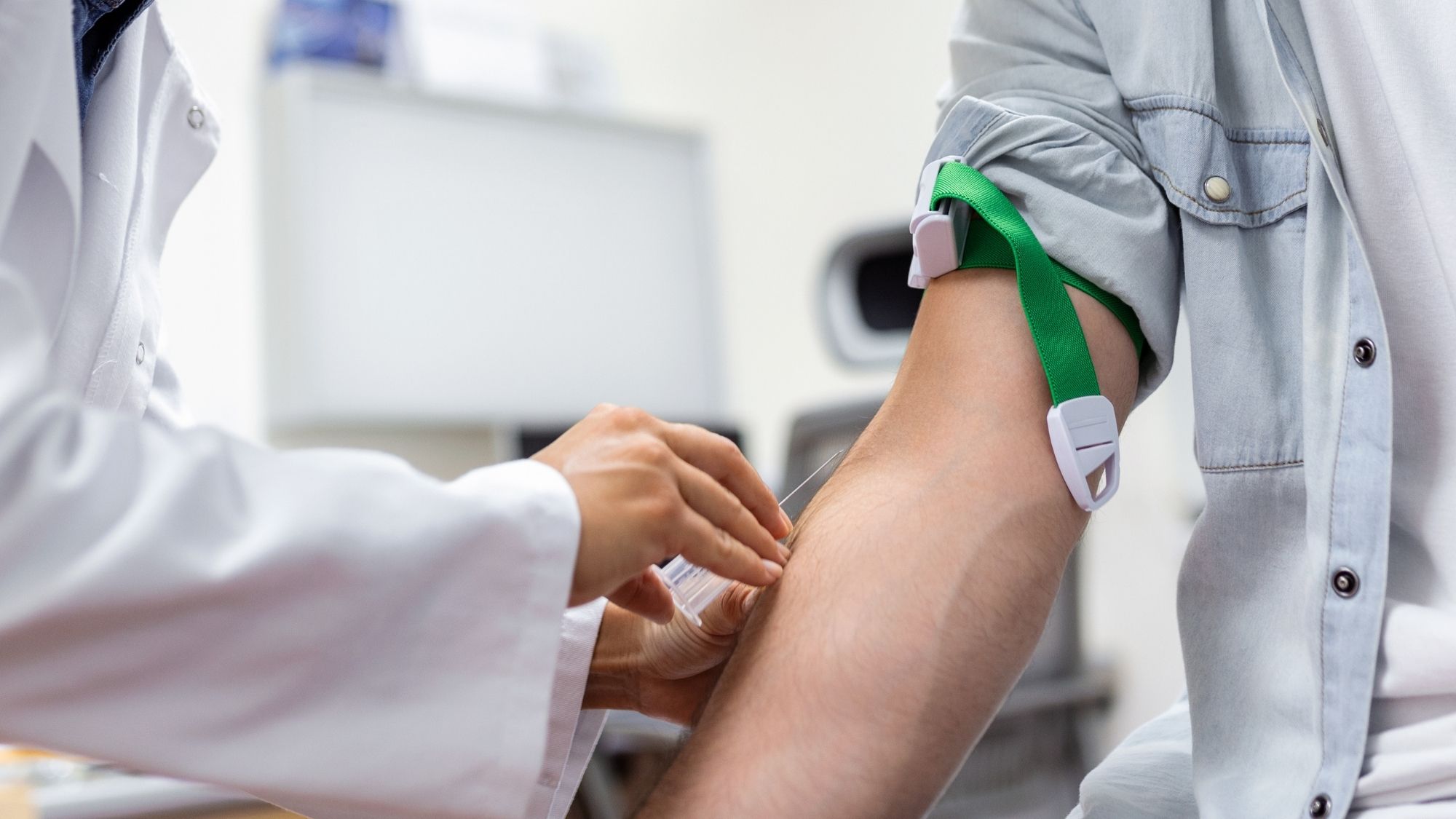
Laboratory testing is a key part of diagnosing sexually transmitted infections (STIs), both as preventive screening and after higher-risk situations or the onset of concerning symptoms. The appropriate method depends on the suspected infection, so during the consultation the doctor selects tests suited to the patient’s individual situation. Blood tests are essential when diagnosing conditions such as syphilis or HIV, while swabs and urine tests are particularly relevant for urogenital infections including chlamydia, gonorrhoea and HPV.
When should STI tests be performed?
A venereology consultation and laboratory testing are worth considering after sexual contact associated with a higher risk, when starting a new relationship or when an infection has been diagnosed in a partner. Testing may also be recommended as preventive care because many sexually transmitted infections remain asymptomatic for a long time. A consultation is also appropriate if you notice concerning symptoms. The timing of tests matters because different infections have different diagnostic window periods.
Which conditions do we treat?
- Chlamydia, gonorrhoea and syphilis — bacterial infections that require antibiotic treatment.
- Genital herpes (HSV-2) — recurrent blisters and ulcers.
- HPV and genital warts — wart-like lesions and cervical cancer prevention.
- Candidiasis and trichomoniasis — fungal and protozoal infections that may cause itching or abnormal discharge.
- Parasitic infections — scabies and pubic lice.
Which STI tests are available at DAGDERM?
1
Urogenital panel – 2 pathogens:
- Chlamydia trachomatis
- Neisseria gonorrhoeae (gonococcus, the bacterium that causes gonorrhoea)
2
Urogenital panel – 7 pathogens:
- Chlamydia trachomatis
- Neisseria gonorrhoeae (gonococcus)
- Mycoplasma genitalium
- Mycoplasma hominis
- Ureaplasma urealyticum
- Ureaplasma parvum
- Trichomonas vaginalis
3
HPV panel – 14 types:
Tests that detect the presence of human papillomavirus (HPV).
High-risk HPV DNA, 14 types: 16, 18 and other types (31, 33, 35, 39, 45, 51, 52, 56, 58, 59, 66, 68).
4
Method of sample collection
Women:
- cervical swab
- urethral, vaginal, conjunctival-sac, anal or throat swab
- urine
Men:
- urethral, anal, conjunctival-sac or throat swab
- urine
PRICES:
Venereology consultation
199–340 PLN (depending on the doctor selected)
HPV panel – 14 types
252 PLN
Urogenital panel – 2 pathogens
285 PLN
Urogenital panel – 7 pathogens
513 PLN
Frequently asked questions:
When should I be tested for sexually transmitted infections?
STI testing is worth considering after unprotected sexual contact, when starting a new relationship, after contact with a person who has received a positive STI result, or when symptoms of an intimate infection appear. A venereology consultation at DAGDERM helps select an appropriate range of tests for the patient’s situation.
Which symptoms may indicate the need for STI testing?
Symptoms that may prompt testing include burning during urination, itching, pain, abnormal vaginal discharge or urethral discharge, ulcers, blisters, spots, redness or lesions around the genitals. Symptoms alone do not always identify the type of infection, so a doctor should select the diagnostic scope.
Should STI testing be done if there are no symptoms?
Yes. Some sexually transmitted infections can remain asymptomatic for a long time. Preventive STI testing may therefore be appropriate, especially after higher-risk sexual contact or before starting a new relationship.
Are all sexually transmitted infections detected by blood tests?
No. Not all STIs are detected by blood tests alone. Depending on the suspected infection, the doctor may recommend blood tests, urine tests or swabs because different pathogens require different diagnostic methods.
When should STI tests be performed after higher-risk sexual contact?
The appropriate timing depends on the infection because different diseases have different diagnostic window periods. It is safest to consult a venereologist, who can assess the risk, select suitable tests and explain when the results are likely to be reliable.
How are STI tests selected?
At DAGDERM, tests are usually selected during a venereology consultation based on the medical history, type of sexual contact, time since exposure, symptoms and previous results. The doctor can indicate which tests to perform immediately and which may need to be repeated later because of the diagnostic window period.
What is a urogenital panel?
A urogenital panel can test for Chlamydia trachomatis, Neisseria gonorrhoeae, Mycoplasma genitalium, Mycoplasma hominis, Ureaplasma urealyticum, Ureaplasma parvum and Trichomonas vaginalis. It may be useful after higher-risk sexual contact or when symptoms affect the urogenital tract.
Where can HPV testing be performed in Warsaw?
DAGDERM offers a 14-type HPV panel that detects human papillomavirus DNA, including high-risk HPV DNA types. The test may be recommended when HPV infection is suspected, after sexual contact associated with a risk of infection or when lesions appear in the intimate area. The scope of testing and interpretation of the result should be discussed with a dermatologist-venereologist.
When should I be tested for sexually transmitted infections?
Testing is worth considering after unprotected sexual contact, when starting a new relationship, after contact with a person who has received a positive STI result, or when symptoms of an intimate infection appear. A venereology consultation at DAGDERM helps select an appropriate range of tests for the patient’s situation.
How much does STI testing cost in Warsaw?
A venereology consultation at DAGDERM costs 199–340 PLN depending on the doctor selected. A two-pathogen urogenital panel costs 285 PLN and a seven-pathogen urogenital panel costs 513 PLN.
Do you have any questions?

Contact us
The hotline is open 7 days a week:
Mon–Fri 07:30–22:00,
Sat–Sun 07:30–20:00
Contact us by phone or online to schedule a consultation. Our team of qualified dermatologists and cosmetologists is ready to answer your questions and propose individually tailored solutions.

We comprehensively treat all skin, hair and nail diseases, diagnose and remove skin lesions, and perform aesthetic medicine treatments.
Made by Boost Agency
